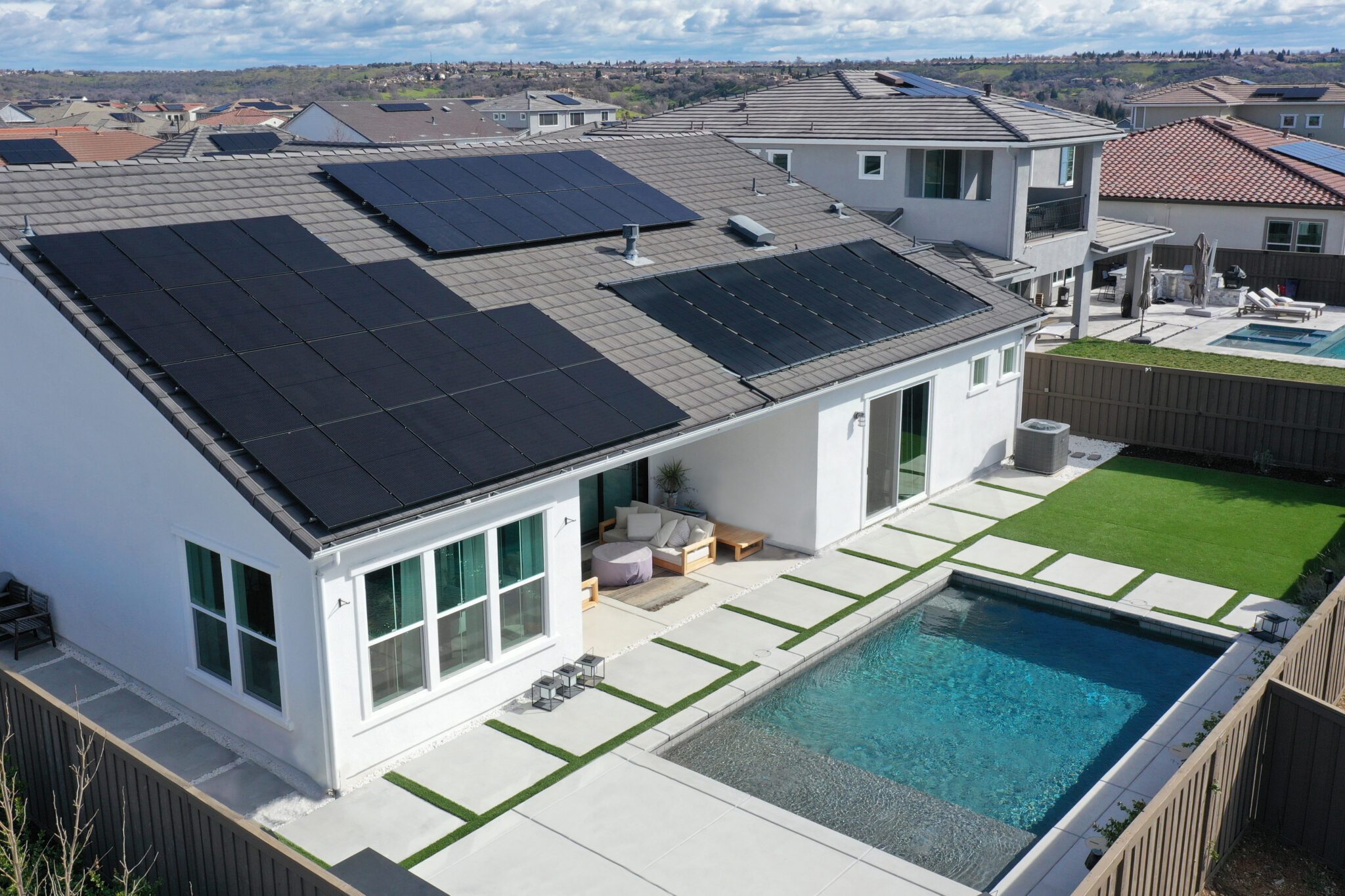
How Cedar Hills Slashes Bills: 30% Solar Rebates Explained

Ask Solar Mike
Step-by-Step Guide to Cutting Costs with Instant 30% Savings—Explained for Affordable Solar in Cedar Hills Post-ITC Amid Utah Rate Hikes
Introduction
Is your Cedar Hills power bill jumping? In 2026, Rocky Mountain Power hiked rates to 12.94 cents per kWh. Blackouts from demand add stress. Slash your bill—read how.
Pain Points Analysis
Cedar Hills' solar market in 2026 is tough. We checked fresh data from Rocky Mountain Power's price summary and reports like EnergySage and Catalyze. Here are 7 key pains, explained simply:
Utility Rate Hikes Add Costs: Rocky Mountain Power raised residential rates to 12.94 cents per kWh starting in 2026, up from 10.96 cents. This jump adds $4-5 or more monthly to Cedar Hills homes, over $50 yearly, due to wildfire costs and other factors—families pay more without fixes.
Post-ITC Price Reversals: The federal 30% tax credit ended in 2026. Decade-long solar price declines reversed, with module costs up 9-40% due to supply shifts. Average Utah systems now cost $32,331 for 11.79 kW—up 50-100% without the credit, making families worry about higher upfront prices.
Battery Wait Times Delay Help: High demand for Tesla Powerwalls causes 9-10 week waits in Utah, with full installs taking 2-6 months or up to 7 months due to labor shortages. In 2026, storage is key but delays leave Cedar Hills homes open to blackouts without quick backup.
Competitors Hike Prices: In Utah County, rivals price solar at $2.58-3.35 per watt—$19,000-31,000 for a standard system. Post-ITC, many hiked prices 50-100% or shut down, with Powerwalls costing $16,000-21,000 installed, often with extra fees—families pay premium rates elsewhere.
Market Slowdown Hits Installs: Post-ITC changes caused Utah solar installs to drop 18-30% in 2026. Over 100 solar bankruptcies nationwide affected local firms, leading to closures and price jumps up to 40% for modules—fewer choices and unstable service for Cedar Hills buyers.
Bills Rise Without Storage: No batteries mean facing 4-5% yearly rate jumps—Utah averages $120 monthly. Blackouts cost $100s in spoiled food or lost work for unprotected homes, especially with rising electricity prices.
Fewer State Incentives: Utah ranks 13th in solar conversions, but perks are taxed or cut for 2026 projects. Changing incentives focus on storage but limit overall help, forcing families to cover full costs without extra support.
These pains make solar hard, but we explain the fix.
Solution Section
Ready to slash bills? Ask Solar Mike's Instant Tax Rebate Program solves every pain. We deduct 30% upfront from your price on solar and batteries. We take all risks.
It solves each pain:
Slash rate hikes with stable low costs—save $100s yearly.
Post-ITC? Our rebates match the old credit, shortening paybacks.
Skip waits: Tesla partnership gets Powerwalls fast.
Cheaper than rivals: $10k Powerwall (vs. $21k elsewhere) or systems under $20k after 30%.
Fight slowdowns: Locked prices while others fail.
Add storage: Affordable batteries end blackout fears.
Incentive gaps? Our program covers them ongoing.
Proof? Families save $5k-10k upfront. Tesla quality ensures it. Cedar Hills folks slash bills easily. Book a free consult at asksolarmike.com/google or call 385-312-0904. See zero-down at /zerodownsecrets.
Interactive Infographic
Try our Solar Savings Calculator. Enter your city for custom results—easy and fun!
Conclusion
Slash your bill with Ask Solar Mike's 30% rebates. "Slashed my costs—easy explanation!" says a Cedar Hills family. Check /blackout-proof for more. Go to https://www.asksolarmike.com/google for your free quote now!
Learn More:
📧[email protected]
📞 385–312–0904
www.asksolarmike.com
